
The AEM advantage
Anion Exchange Membrane (AEM) electrolysis shows strong potential, but key barriers still prevent industrial-scale deployment.
SCALE-AEM addresses these challenges across the entire value chain, from materials to manufacturing.
Why AEM?
Green hydrogen today is mainly produced using alkaline or PEM electrolysers—but both face limitations.
Limited large-scale manufacturing
High costs (up to €800/kW for stacks)
Dependence on expensive materials with environmental concerns
Poor end-of-life value and costly waste handling
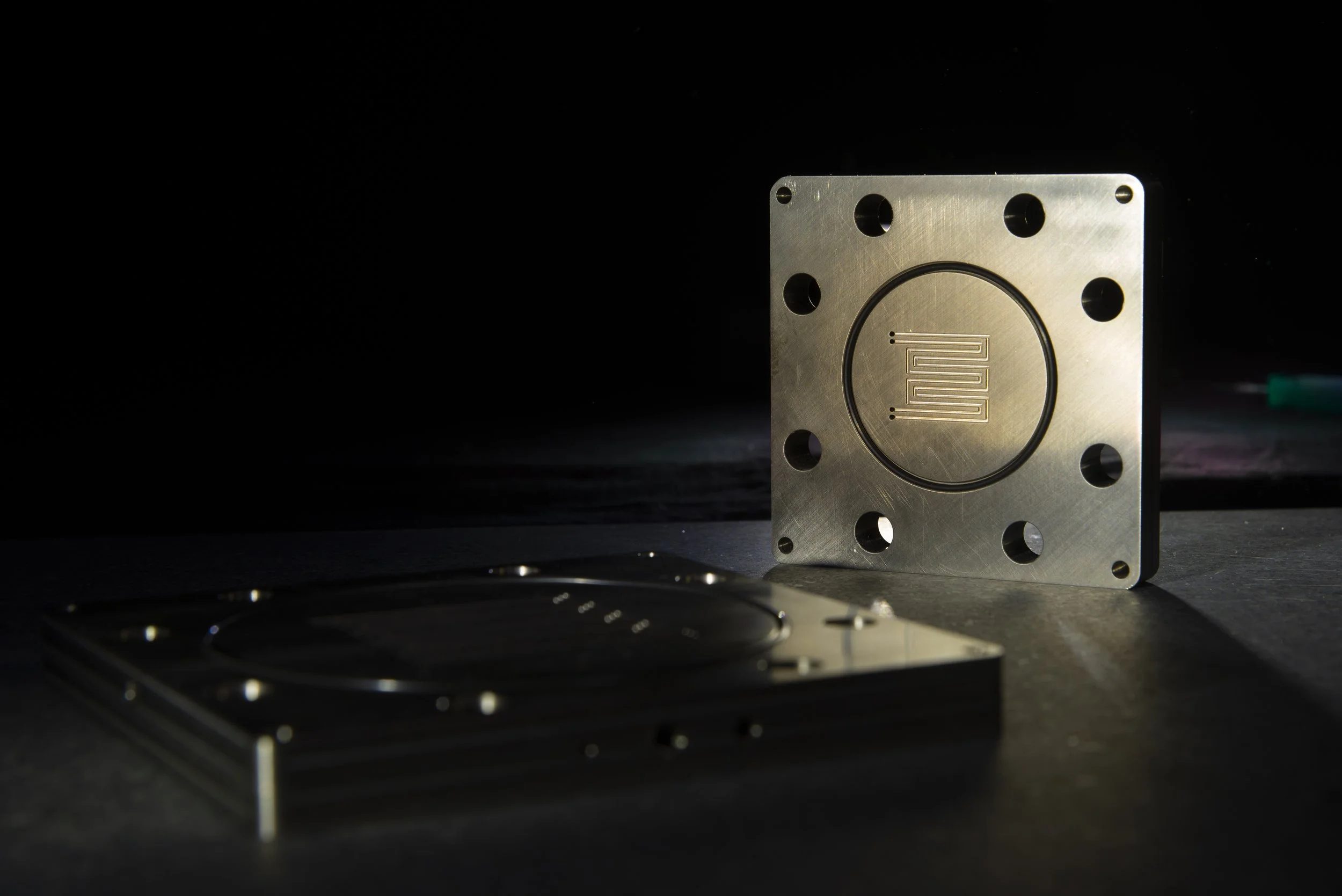
AEM electrolysis combines performance, cost-efficiency, and sustainability.
Lower cost
Avoids expensive precious metals
High performance
More compact than alkaline systems
Future-proof
Compatible with renewable energy and PFAS-free materials
What we are developing
AEM electrolysis combines performance, cost-efficiency, and sustainability.

-
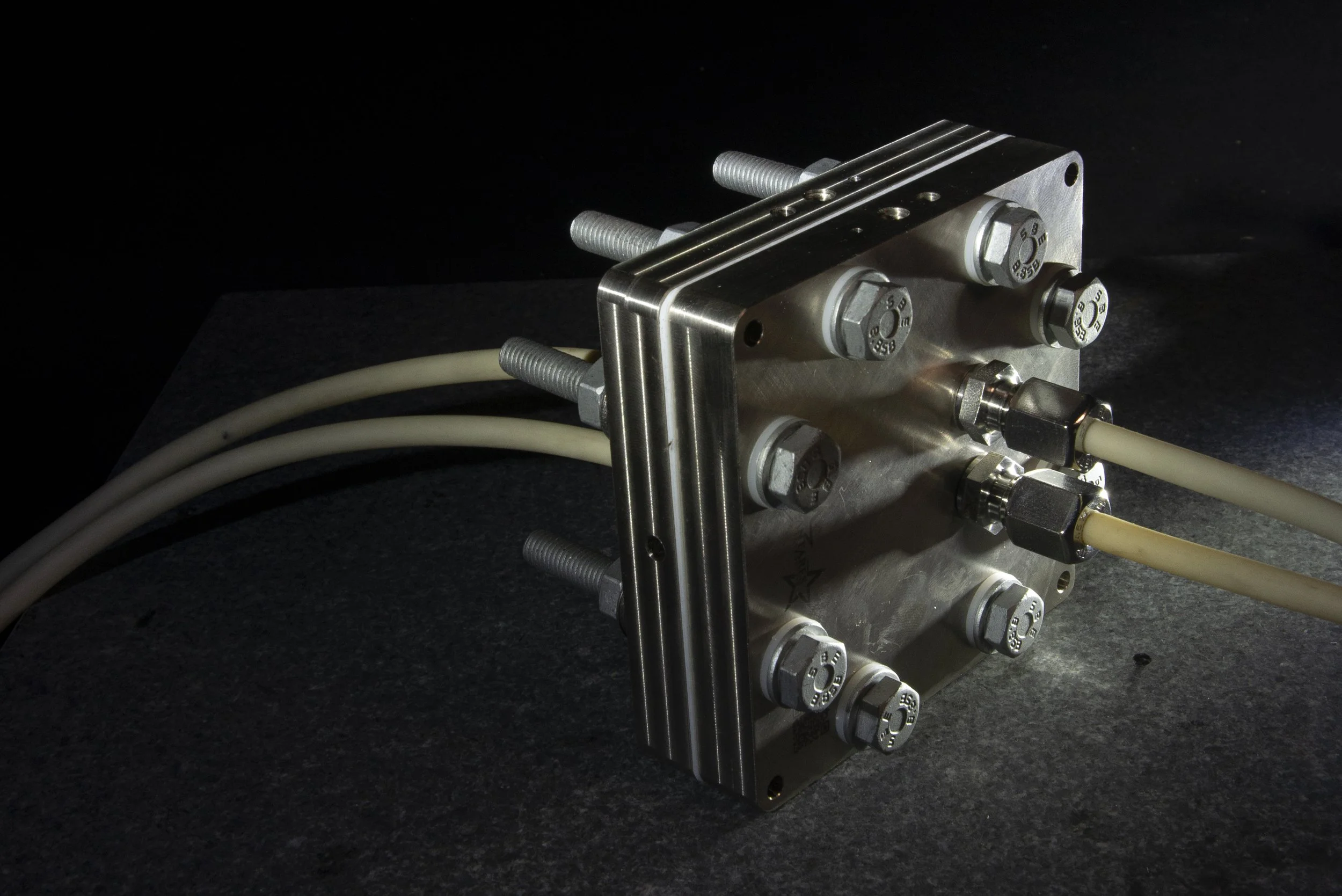
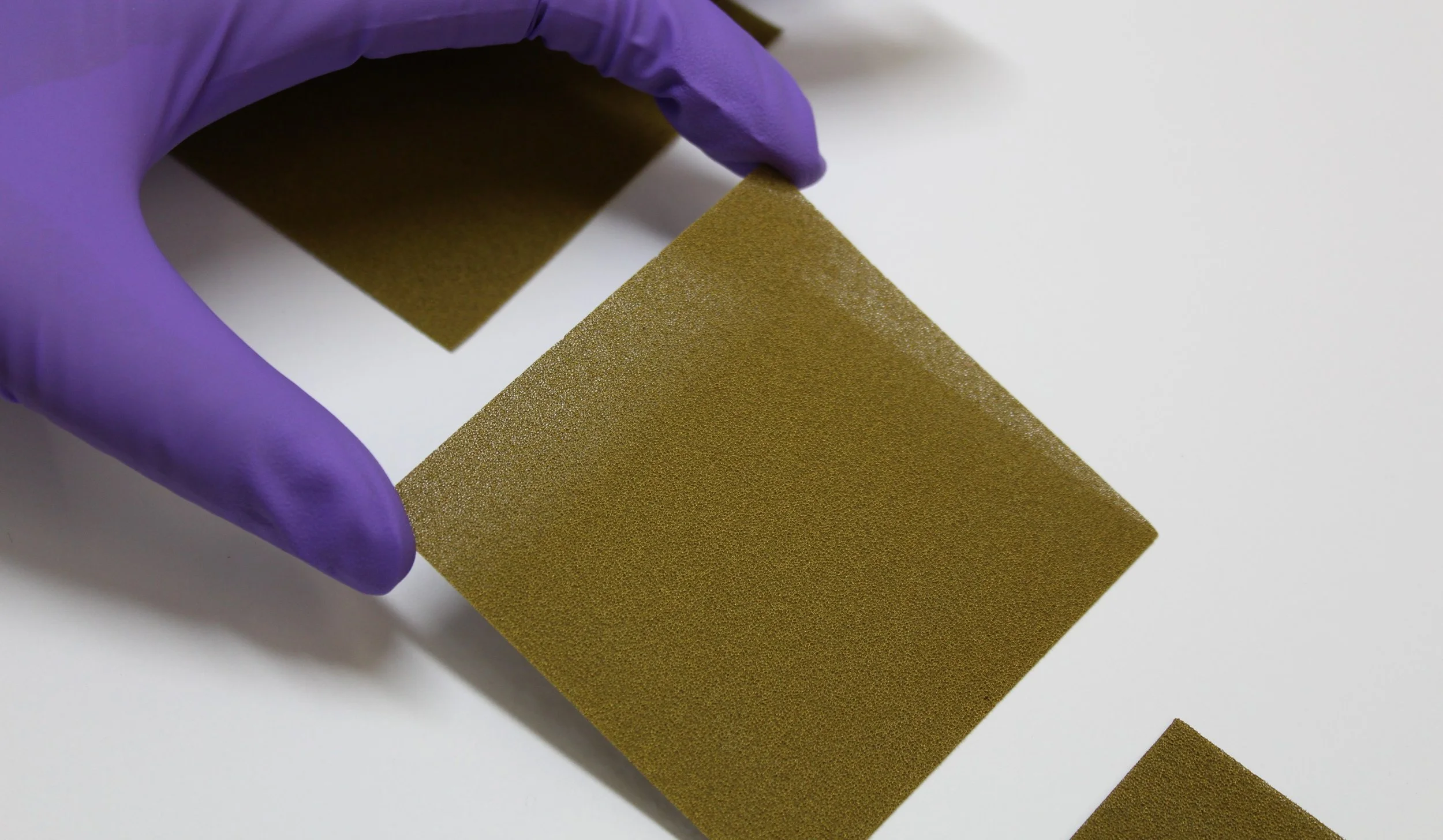
We improve the core building blocks of AEM electrolysers: scalable, PFAS-free membranes with better stability and consistent quality; optimised catalyst-coated substrates for anodes and cathodes with longer lifetime and improved residual value; and advanced bipolar plates and sealing materials engineered for industrial production, automated dispensing, and stack-level performance.
-
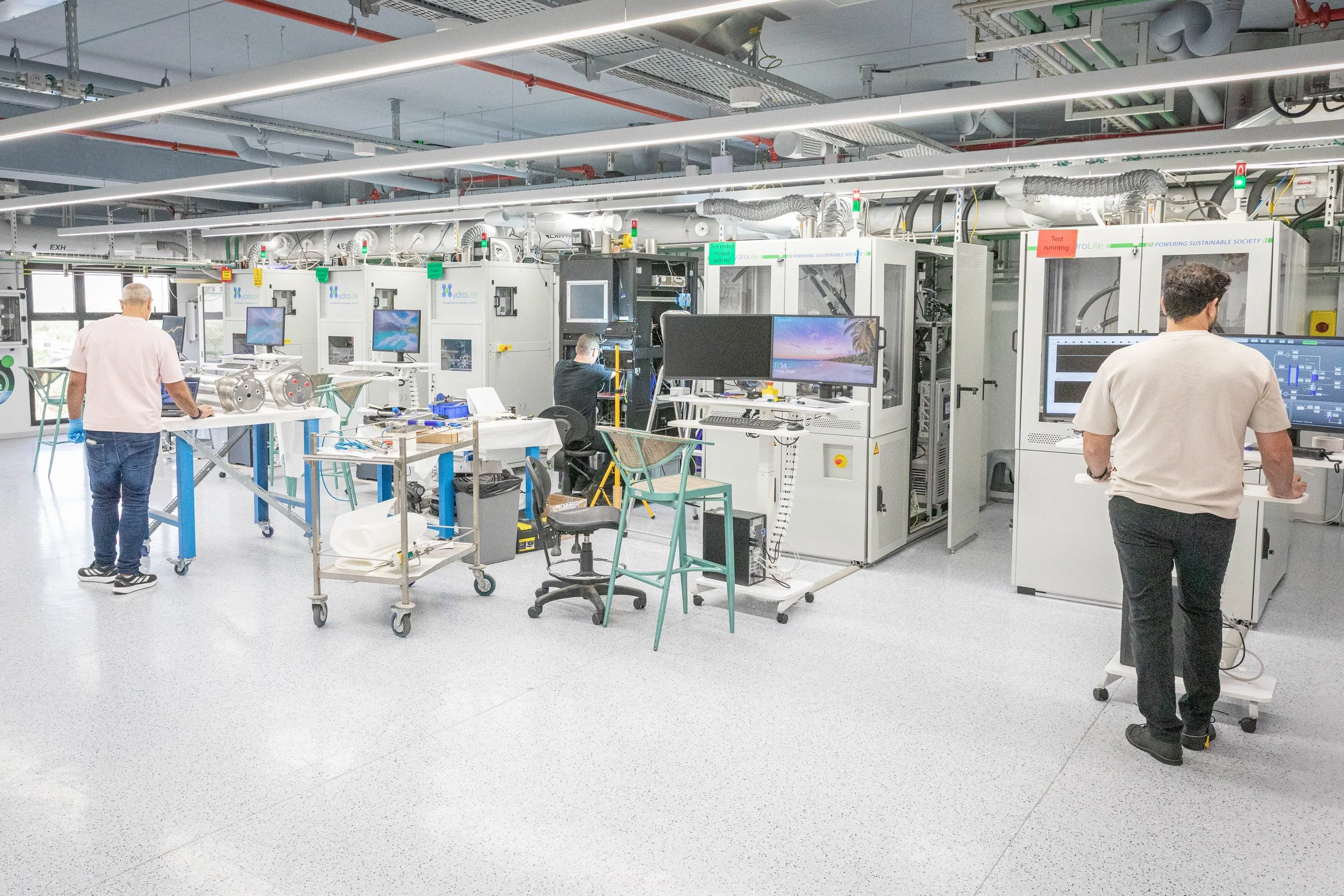
We integrate intelligence across the entire system: sensor-driven data collection throughout the stack lifecycle, an AI-driven process monitoring system to improve manufacturing and performance, and a dedicated test bed for stack optimisation in both efficiency and operational lifetime.
-
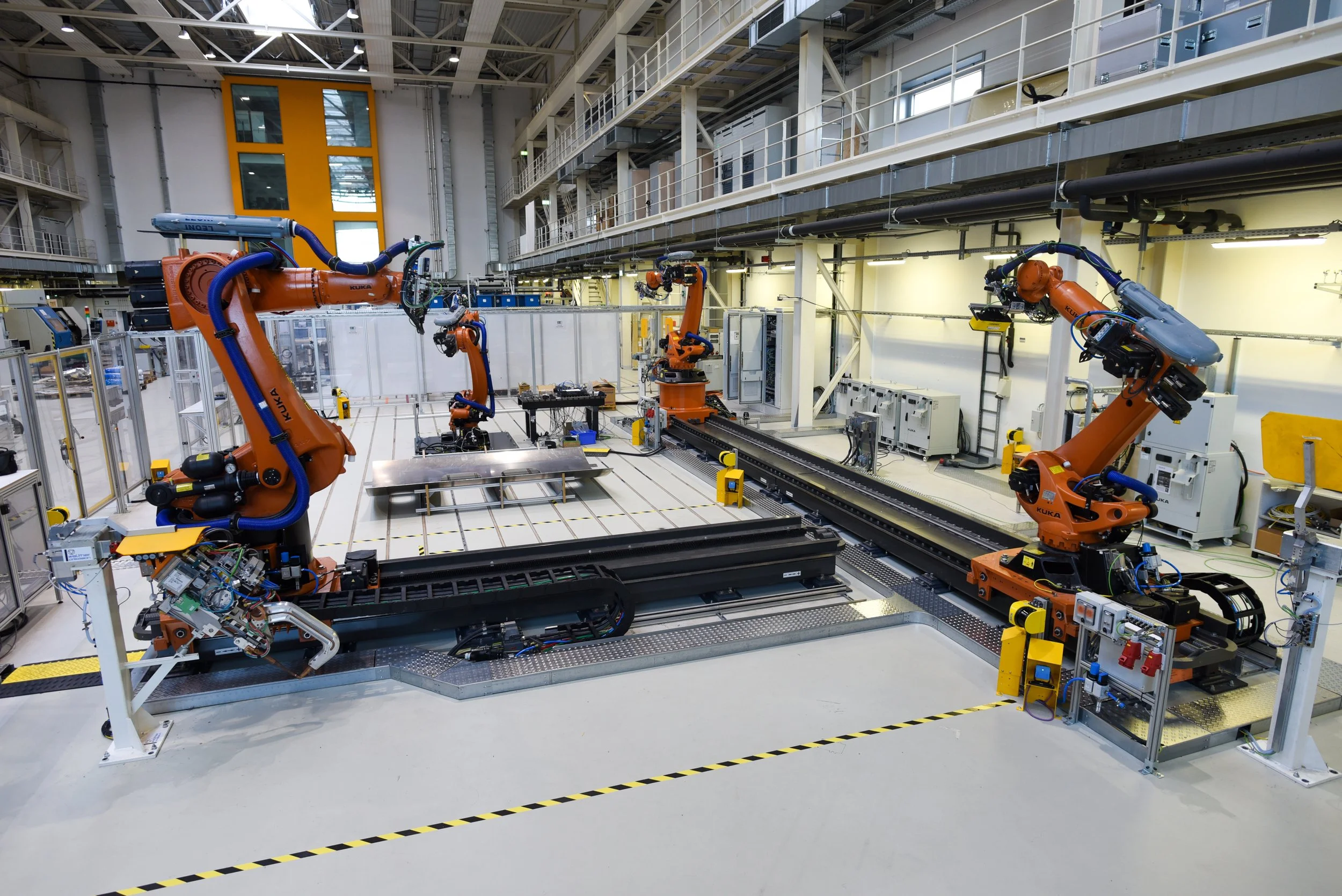
We replace manual processes with industrial-scale production. This includes an automated assembly and disassembly robot demonstrated across 10 × 10–100 kW stacks, and a digital twin for 100 kW stack production that feeds back data to component providers — driving standardisation, lower rejection rates, and better quality control.


Mission
We bring AEM electrolysis to industrial scale by addressing the final technological and manufacturing barriers
Scale up production
Pilot production line throughout the supply chain for 10 to 100 kW AEMEL stack production
with a digital twin
For production in a scalable manner
less than 300€/(kg/d)
Manufacturing cost for AEMEL stack