In the project's first year, Matteco has adapted its platinum-free electrodes to a new membrane and to the demanding operating conditions of the SCALE-AEM stack.
Why AEM electrolysers matter
Hydrogen can replace natural gas in industries that are hard to decarbonise, such as steel, fertilisers and chemicals. Most hydrogen in Europe is still produced from natural gas, a process that emits CO₂. When hydrogen is produced in an electrolyser powered by solar or wind electricity, those emissions are avoided at the production stage.
AEM (anion exchange membrane) electrolysers do not need scarce, expensive metals such as platinum or iridium, and they cope well with solar and wind power, which rises and falls throughout the day.
Two challenges still hold them back: their components wear out quickly, and they are expensive to make because they are still assembled largely by hand. SCALE-AEM aims to take the same step the car industry took when it moved from the workshop to the assembly line.
Matteco's first year
An electrolyser is made up of many cells stacked together. Each cell has two electrodes, where hydrogen and oxygen form, and a very thin membrane between them that keeps the two gases apart. How well the cell performs depends largely on how well these layers connect.
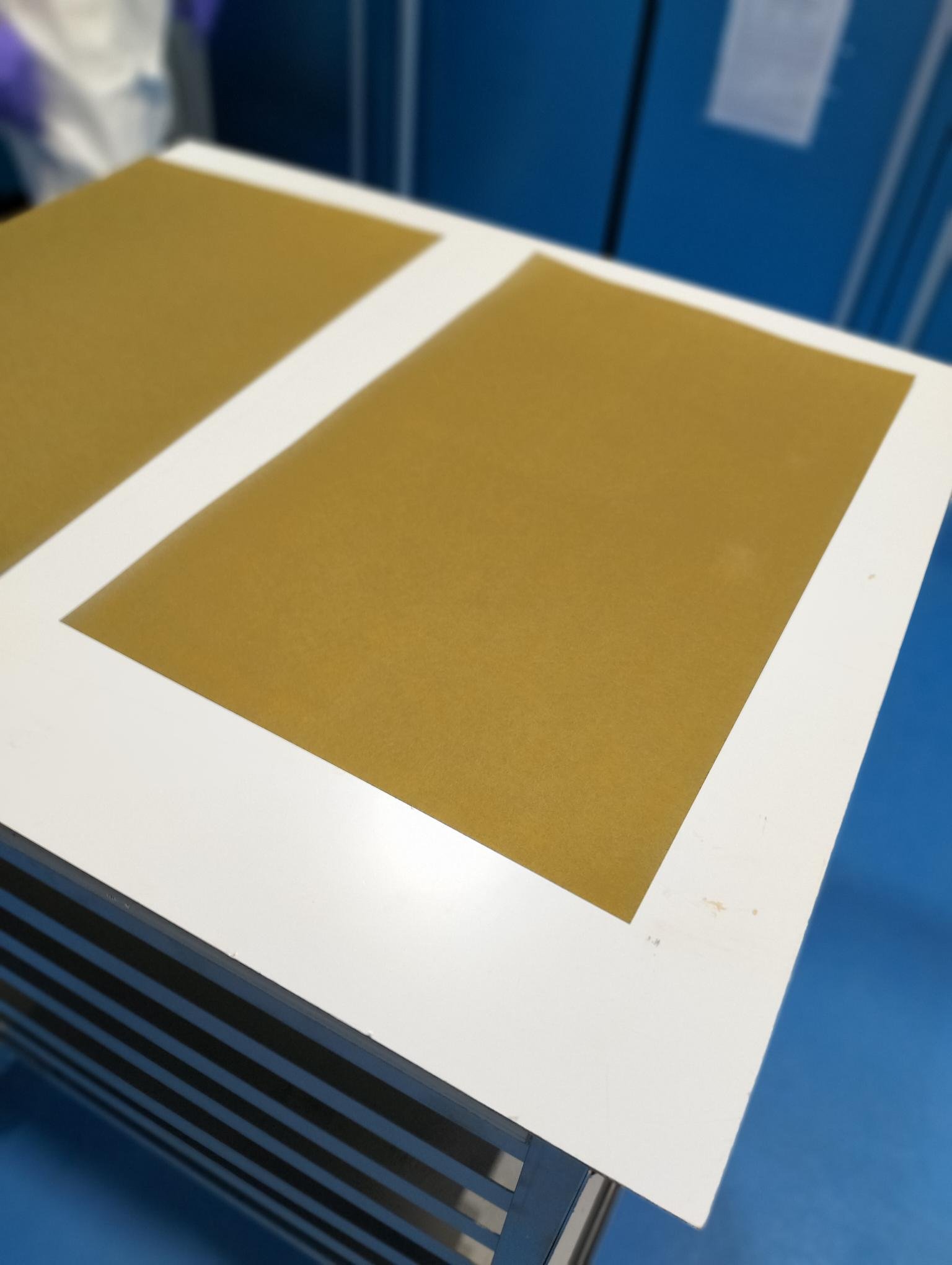
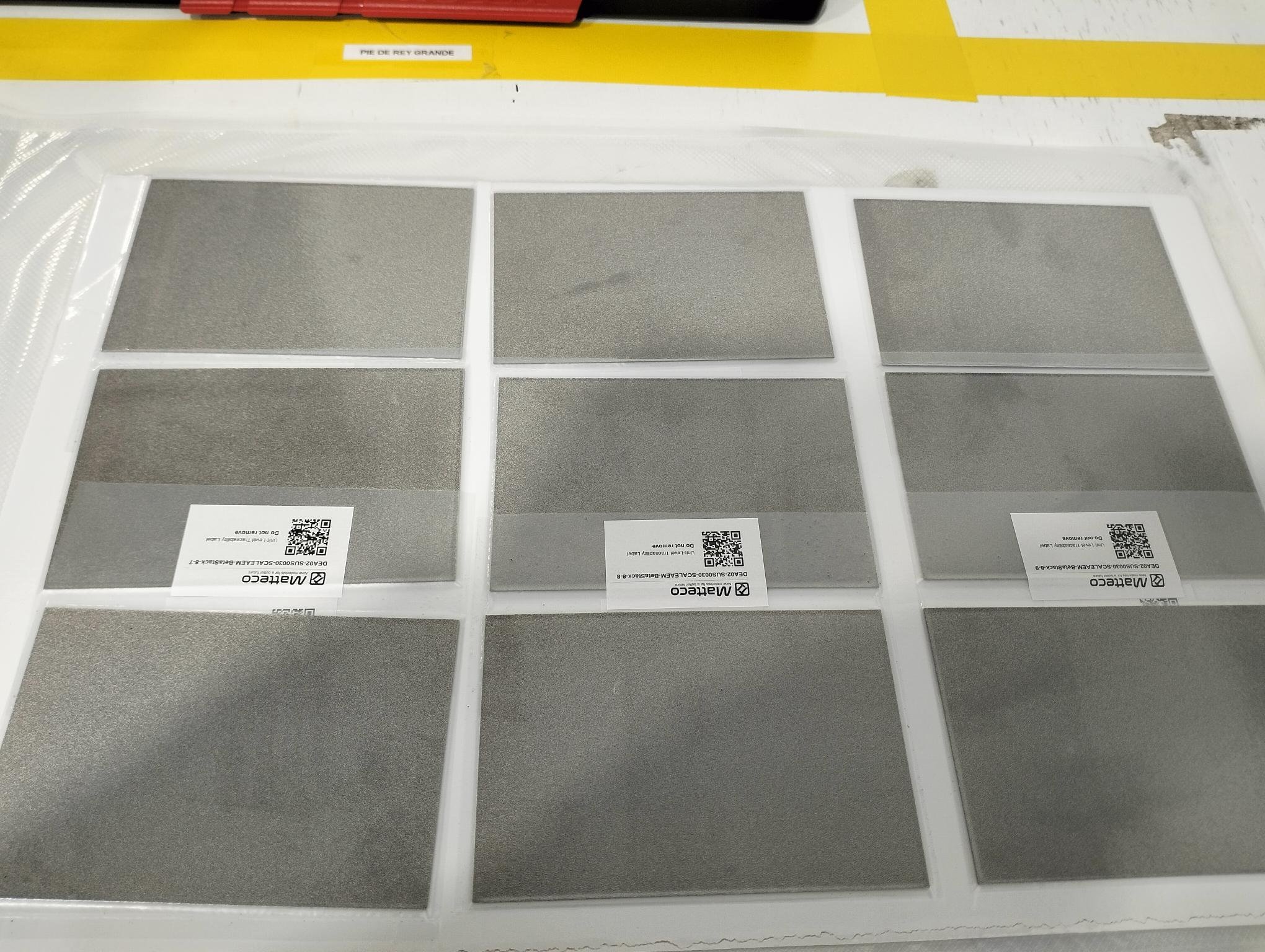
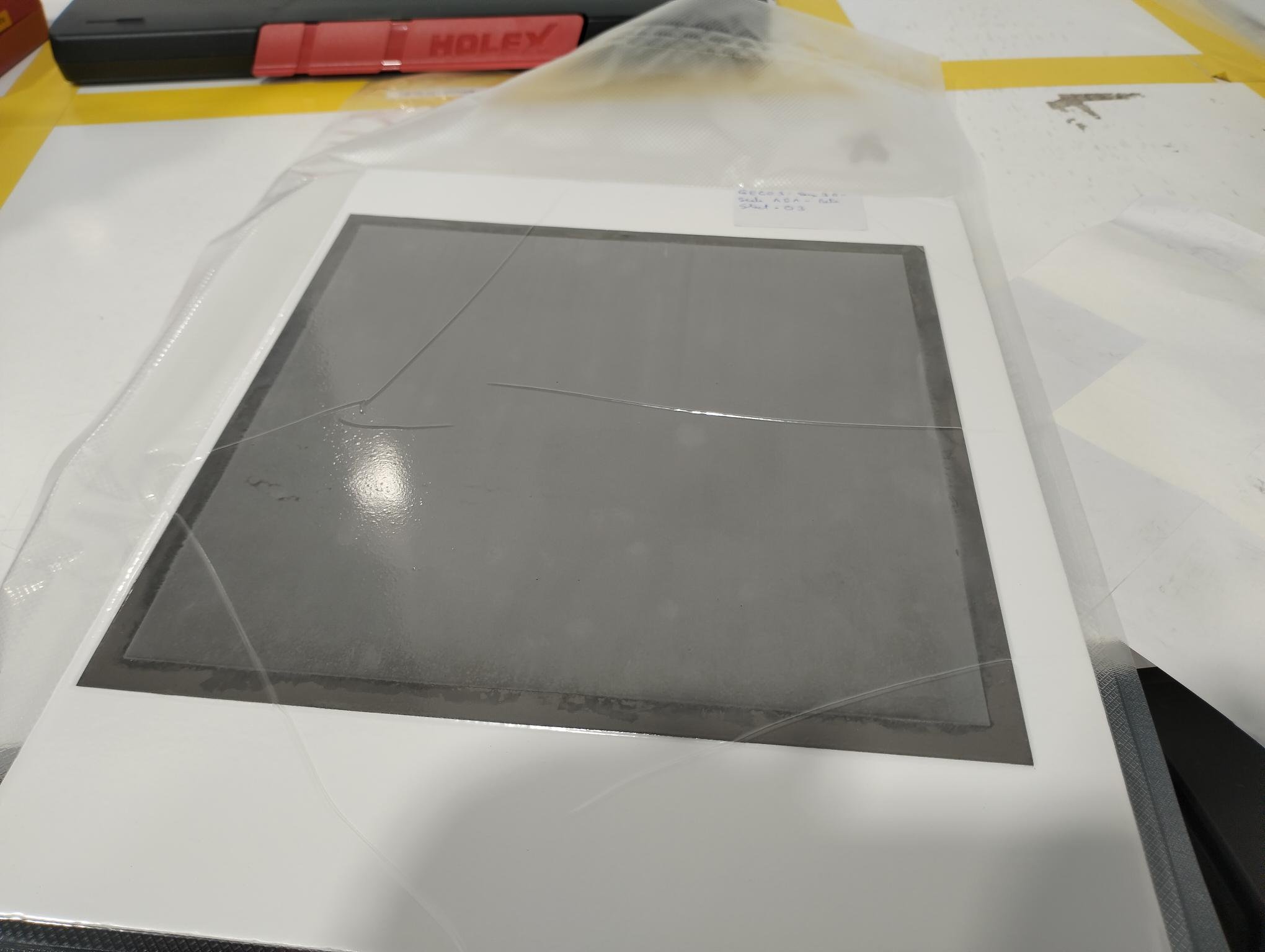
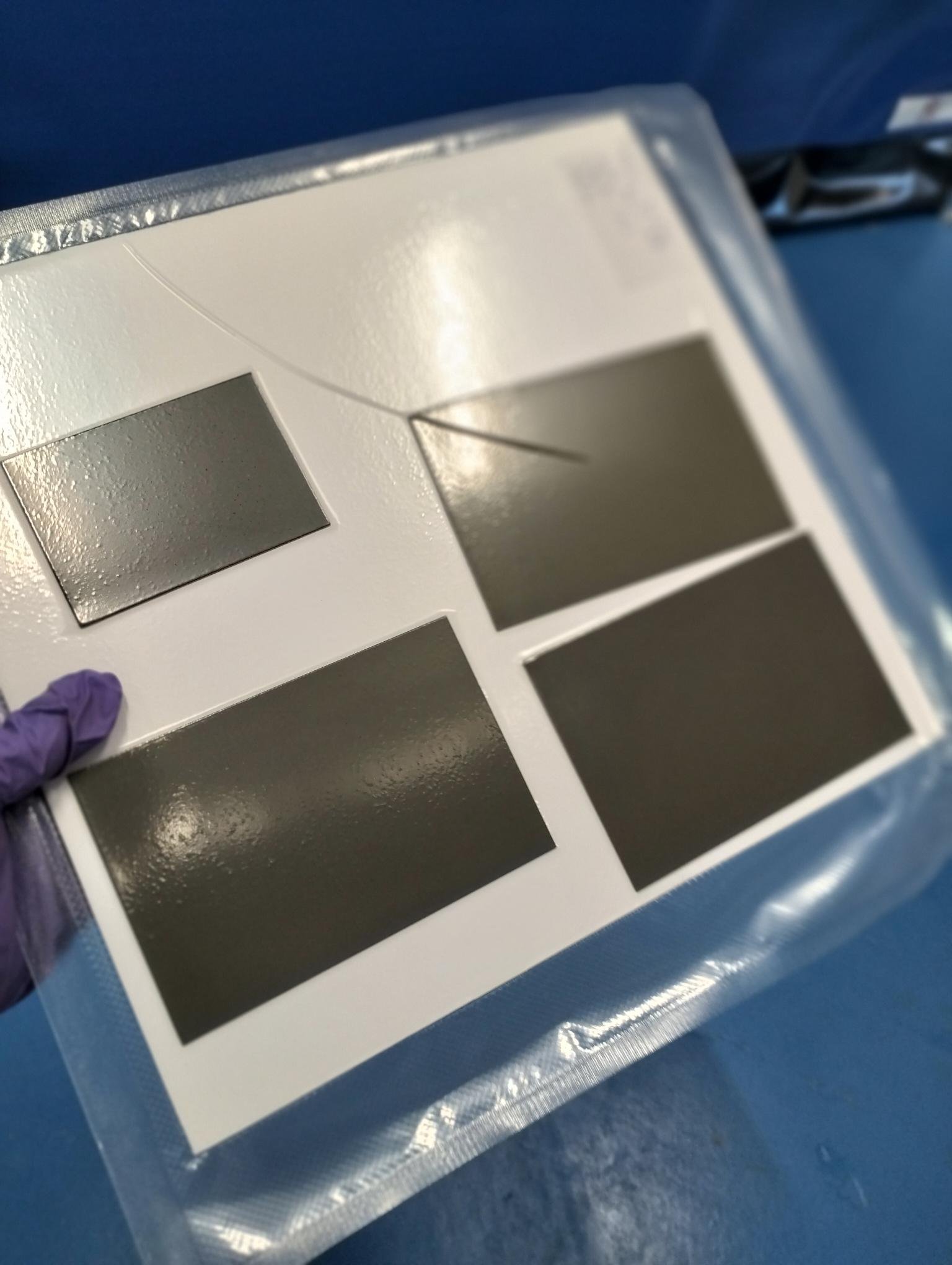
During the first year, Matteco adapted its electrodes to a new membrane developed by Hydrolite, while meeting the specific operating requirements of the SCALE-AEM stack. These include a lower electrolyte (KOH) concentration, dry cathode operation and the lowest possible power consumption. Under these conditions, the quality of the interface between electrode and membrane becomes particularly critical to performance and efficiency. The team worked along two lines. First, it introduced a PFAS-free ionomer to improve the engineering of the electrode-membrane interface. Second, it enhanced the substrate that supports the catalyst, further improving interface quality and overall cell performance. "
An electrolyser does not perform on the quality of each part alone, but on how well those parts fit together. This first year Matteco has learned to join their electrodes to a new membrane and to the specific operating requirements of the SCALE-AEM stack, and that knowledge is what will allow us to produce them at scale with the rest of the consortium.
What this could mean? Lower-cost hydrogen. If electrolysers become cheaper to make, the hydrogen they produce could become cheaper too, helping more industries move away from natural gas. Longer-lasting components. The project is working to extend the operating life of key parts, so they need replacing less often. Less reliance on critical materials. The electrodes use no platinum or iridium, metals Europe largely imports.
The membrane and ionomer are made without PFAS, chemical compounds that persist in the environment for decades. Manufacturing in Europe. Building electrolysers on an automated line could make it possible to produce them in Europe, in large numbers, supporting skilled industrial jobs. Designed for recycling. From the design stage, the consortium is planning how the machine can be taken apart at the end of its life, so its parts and materials can be reused.
Article and photos provided by project partner Matteco.